Clean and : Importance, Benefits, and How to Protect It
A clean and safe environment is essential for a healthy, peaceful, and productive life. The environment around us includes our homes, schools, workplaces, streets, parks, forests, rivers, and public spaces. When these places are clean and safe, people can live more comfortably and enjoy better health. However, pollution, littering, unsafe waste disposal, and the destruction of natural resources can make our surroundings unhealthy and dangerous.
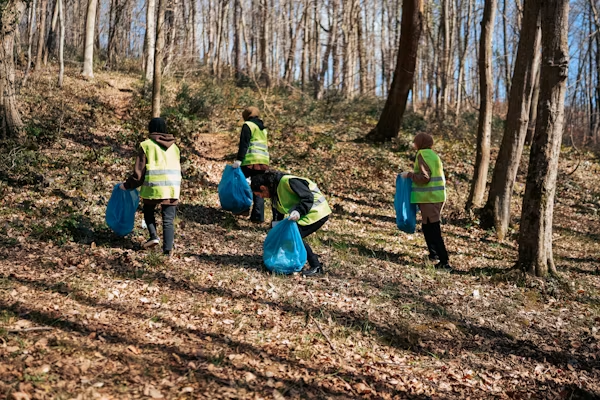
Creating a clean and safe is not only the responsibility of governments or organizations. Every individual has an important role to play. Simple daily habits such as putting rubbish in bins, saving water, planting trees, reducing plastic use, and keeping public places clean can make a significant difference.
What Is a Clean and Safe Environment?
A clean and safe environment is a place where people can live, study, work, and play without unnecessary pollution, waste, or danger. Clean environments have fresh air, safe drinking water, properly managed waste, clean streets, and healthy natural surroundings.
read more
Importance of a Clean Environment
A clean supports better physical and mental well-being. When streets and public areas are free from rubbish, they become more pleasant and comfortable. Proper waste management can also help reduce unpleasant smells and the spread of harmful germs.
Clean air is especially important because polluted air can negatively affect people’s health. Smoke from vehicles, factories, and burning waste can contribute to air pollution. Planting trees and reducing unnecessary pollution can help create healthier surroundings.
Clean water is equally important. Rivers, lakes, and groundwater should be protected from chemicals, plastic, sewage, and other forms of waste. Safe and clean water is necessary for drinking, cooking, farming, and everyday activities.
Benefits of a Clean and Safe Environment
There are many benefits to maintaining a clean and safe . One major benefit is improved public health. Clean surroundings can help create healthier communities and make everyday life more comfortable.
A clean also improves the appearance of cities and communities. Clean parks, roads, schools, and neighborhoods create a positive atmosphere and encourage people to take greater care of their surroundings.
Another important benefit is the protection of nature. Proper waste disposal and responsible use of resources can help protect animals, plants, forests, rivers, and other natural ecosystems.
Clean and safe surroundings can also support education and productivity. Students can concentrate better in clean schools, while workers can perform their duties more comfortably in organized and healthy workplaces.
How to Keep Our Environment Clean
Keeping the environment clean starts with simple actions. The first step is proper waste disposal. People should always use dustbins and avoid throwing rubbish on roads, sidewalks, parks, or waterways.
Recycling is another useful practice. Materials such as paper, cardboard, glass, and certain plastics can often be reused or recycled. Recycling reduces unnecessary waste and helps conserve natural resources.
Reducing the use of single-use plastic is also important. Reusable bags, bottles, and containers can help reduce the amount of plastic waste entering the environment.
People should also keep their homes and surroundings clean. Regular cleaning, proper sanitation, and responsible waste management can make neighborhoods healthier and more pleasant.
Causes of Environmental Pollution
There are many causes of environmental pollution. One major cause is the improper disposal of waste. Plastic bags, bottles, food packaging, and other rubbish can accumulate in streets, rivers, and open areas.
Air pollution is another serious problem. Smoke from vehicles, factories, burning waste, and other sources can reduce air quality. Water pollution can occur when sewage, chemicals, plastic, and other waste enter rivers, lakes, and oceans.
Deforestation is also harmful to the environment. Trees help improve air quality, provide habitats for wildlife, protect soil, and contribute to healthy ecosystems. Removing large numbers of trees can damage these natural systems.
Planting Trees and Protecting Green Spaces
Trees are an important part of a healthy environment. They provide shade, support wildlife, help protect soil, and contribute to cleaner air. Planting trees in suitable areas can help create greener communities.
Schools, communities, and families can participate in tree-planting activities. Existing trees should also be protected instead of being removed unnecessarily.
Green spaces such as parks and gardens are valuable for both people and nature. They provide opportunities for recreation and help support local ecosystems.
Saving Water and Energy
Conserving natural resources is another important part of environmental protection. Water should not be wasted. Simple actions such as turning off taps when water is not needed and repairing leaks can help conserve this valuable resource.
Energy can also be saved by switching off lights and electrical appliances when they are not being used. Using energy-efficient appliances and making sensible choices about transportation can also reduce unnecessary energy consumption.
Role of Schools and Communities
Schools can play an important role in creating environmental awareness among students. Teachers can educate students about recycling, cleanliness, conservation, pollution prevention, and responsible use of natural resources.
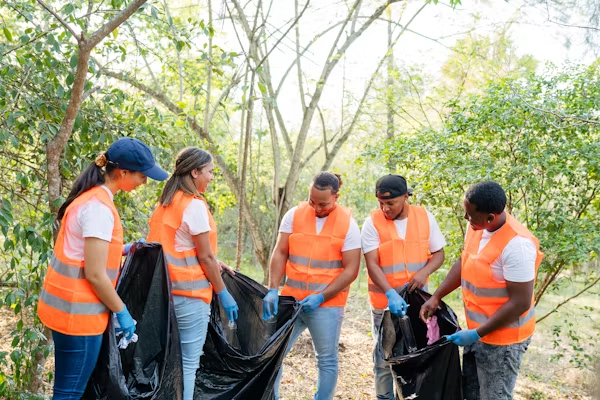
Communities can organize clean-up campaigns, tree-planting programs, recycling initiatives, and environmental awareness activities. When people work together, small individual efforts can become meaningful community improvements.
Role of Governments
Governments also have an important responsibility in protecting the environment. They can create and enforce environmental laws, improve waste-management systems, protect forests and wildlife, and support clean energy and sustainable development.
Good public transportation systems can help reduce traffic-related pollution. Proper sewage treatment and waste disposal can also help protect water sources and communities.
Our Responsibility Toward the Environment
Protecting the environment begins with individual responsibility. People do not need to make enormous changes overnight. Small habits can make a difference when practiced consistently.
We can keep our surroundings clean, avoid unnecessary waste, save water, conserve electricity, plant trees, protect animals and plants, and encourage others to care for nature.
Young people can also become environmental leaders by spreading awareness among friends, families, and communities. Education and cooperation are powerful tools for building a sustainable future.
Conclusion
A clean and safe environment is necessary for a healthy and prosperous society. Clean air, safe water, healthy soil, green spaces, and responsible waste management all contribute to better living conditions. Pollution, littering, deforestation, and wasteful use of resources can damage the environment, but everyone has the ability to help protect it.
By reducing waste, recycling, saving water and energy, planting trees, keeping public places clean, and supporting environmental awareness, we can create healthier communities and protect natural resources. Governments, schools, businesses, communities, and individuals must work together to achieve this goal.
The future of our planet depends on the choices we make today. A clean environment is not a luxury; it is a shared responsibility and an important foundation for a healthy, safe, and sustainable future.
One Response